

2026 online preparation
SHL Test Preparation 2026
Know how to approach the question before the clock starts.
Prepare with over 1,500 practice exercises, step-by-step explanations, theory files and timed practice. Understand the steps behind each answer, revisit the skills you find difficult and practise applying them under time pressure.
What's included
Everything you need, organised by assessment area.
All six areas are included. Use this overview to find the right starting point; the detailed library below shows the full depth of each area without repeating the same information twice.
Numerical Reasoning
Build confidence with data-heavy questions.Charts, tables and quantitative decision-making, from core calculations to multi-step interpretation.
Verbal Reasoning
Read precisely. Infer only what the passage supports.Evidence control, assumptions, argument logic and difficult business-style passages.
Inductive Reasoning
Turn visual changes into a rule you can test.Patterns, transformations, sequences and mixed visual rules with guided methodology.
Deductive Reasoning
Translate rules into clear conclusions.10 structured lessons covering scheduling, constraints, ordering and must-follow logic.
Verify G+ Preparation
Bring the reasoning areas together.Mixed-format familiarisation and targeted practice for combined reasoning demands.
OPQ Familiarisation
Three progressive interactive levels.Beginner · Semi-Advanced · Advanced. Each course contains 77 ranking triads. That is 231 ranking triads in total, with theory, answers and explanations.
Material prepared and reviewed by educators with doctoral-level expertise and teaching experience.
Over 1,500 practice exercises across reasoning, OPQ and mixed preparation areas.
Candidates can study online or print the PDF / Word versions locally when they prefer to work from paper.
Your preparation library
Explore exactly what is included in your preparation.
See the structure, depth and support included in every area, so you know exactly what you will be working with from day one. The library combines practice, theory, answer guidance and interactive training in one organised path.
Numerical Reasoning
33 focused lessons covering the numerical journey from core data interpretation to demanding multi-step quantitative decisions.
View all 33 lessons
Verbal Reasoning
10 lessons progressing from passage accuracy to difficult True / False / Cannot Say decisions, assumptions, inference control and close verbal traps.
View all 10 lessons
Inductive / Abstract Reasoning
9 core lessons covering visual-rule detection, sequences, transformations and mixed-rule reasoning, supported by methodology and answer explanations.
View all 9 lessons
Deductive Reasoning
10 structured lessons covering schedules, ordering, conditions, logical restrictions, exclusions and must-follow conclusions.
View all 10 lessons
OPQ Familiarisation
Three progressive interactive OPQ levels: Beginner, Semi-Advanced and Advanced. Each level contains 77 ranking triads, for 231 triads in total, plus analytical theory, interactive quizzes, answers and explanations.
Explore the 3 OPQ levels
Built for selective practice. You do not need to complete every lesson in order. Start with the assessment areas in your invitation, identify the question types that slow you down, and use the structured lessons, theory guides and answer support to return to those skills repeatedly.
Start with the material
See what you will be practising.
Start with Numerical samples, continue with Inductive examples, then try the interactive OPQ mini-test, followed by Verbal and Deductive samples. The aim is to let you experience the training style before you purchase the full library.
Numerical Reasoning
Grouped bars, a line chart and a pie chart.
Sample 1 · Grouped bar chart
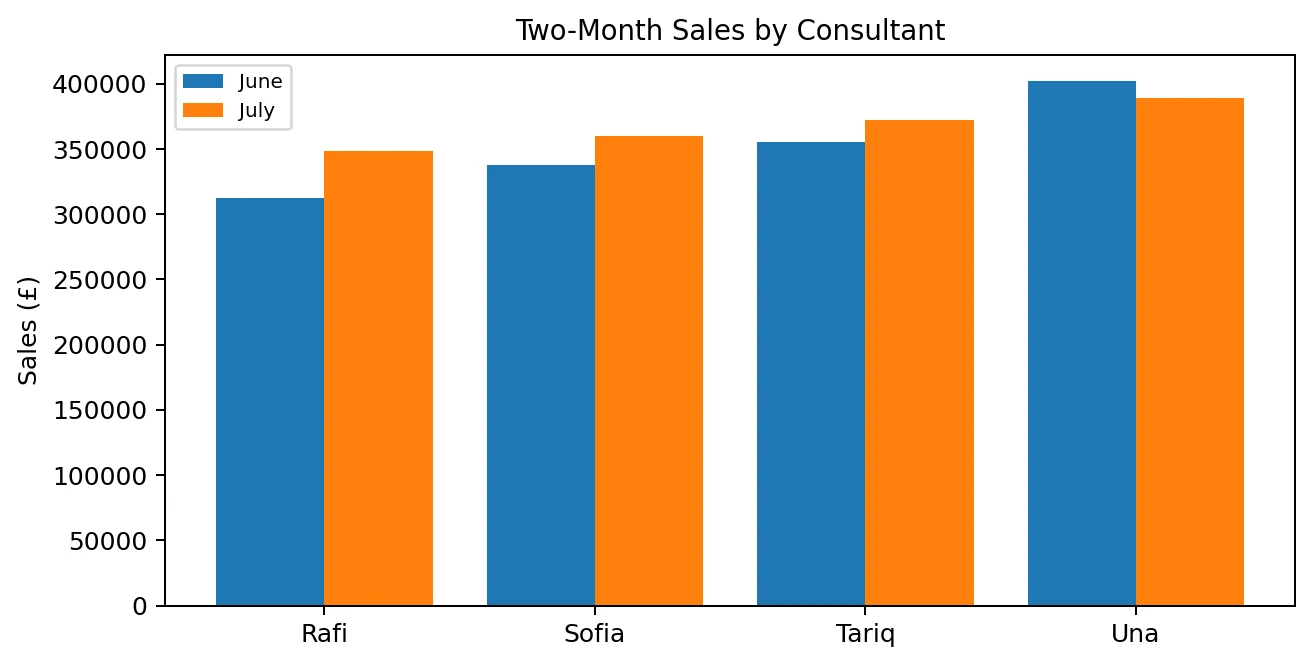
| Base salary per month | £2,100 |
| Commission rate | 2.4% of combined net sales |
| July adjustment | 3% of July sales are returned before commission |
| Bonus | £500 if combined net sales exceed £700,000 |
What were Tariq's total earnings across June and July?
Practises: multi-stage arithmetic, returns, threshold checking and the correct calculation base.
Sample 2 · Line chart
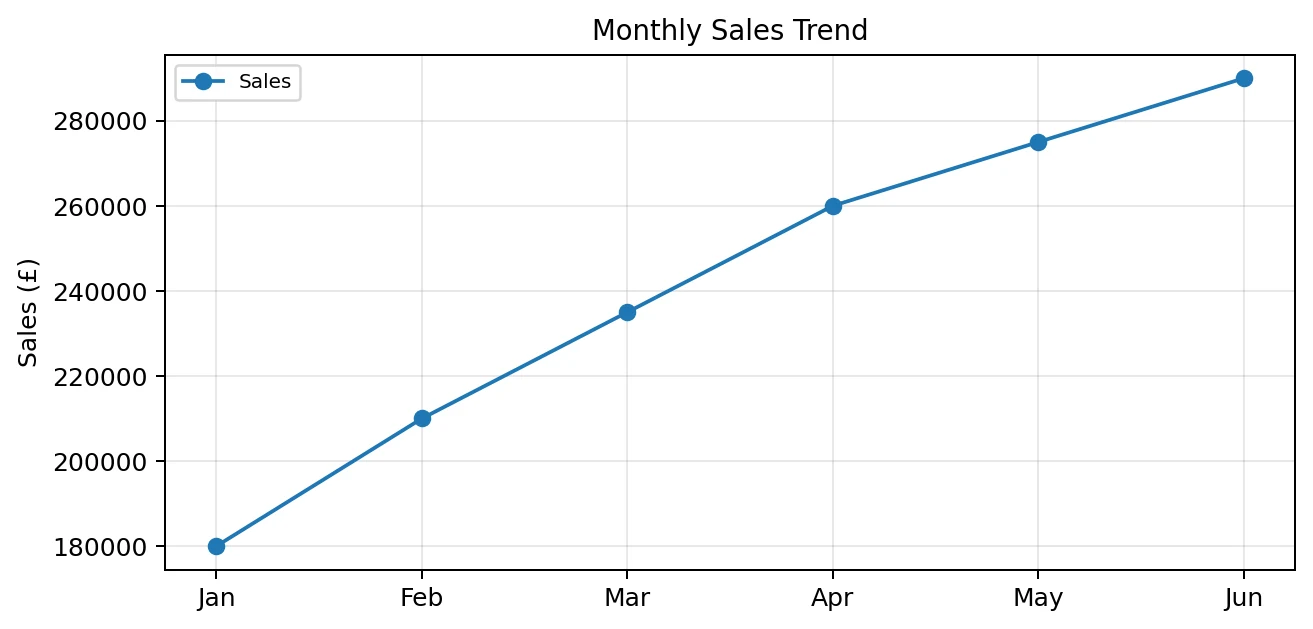
| Commission rate | 3% of sales |
What commission was earned on Quarter 2 sales?
Practises: time-period selection, accurate chart reading and percentage application.
Sample 3 · Pie chart
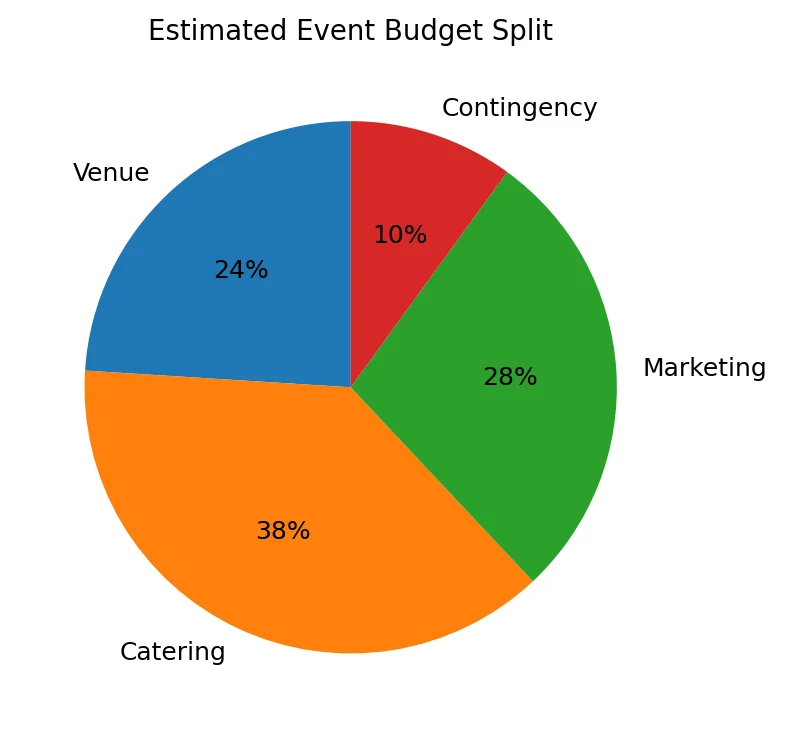
If the Venue slice equals £4,800, what is the total event budget?
Practises: reverse percentages and part-to-whole reasoning from a pie chart.
Inductive Reasoning
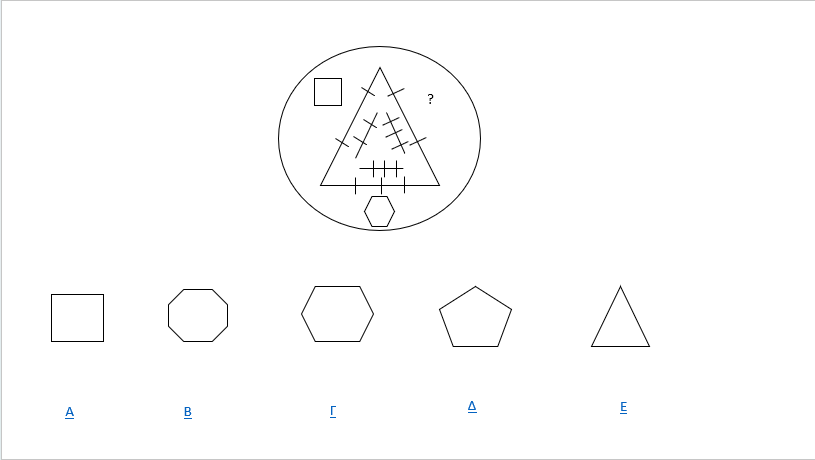
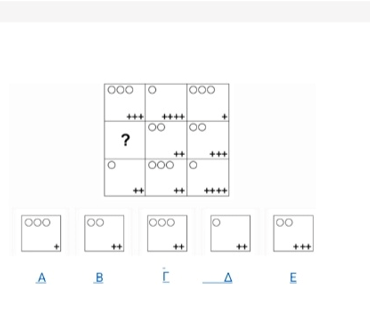
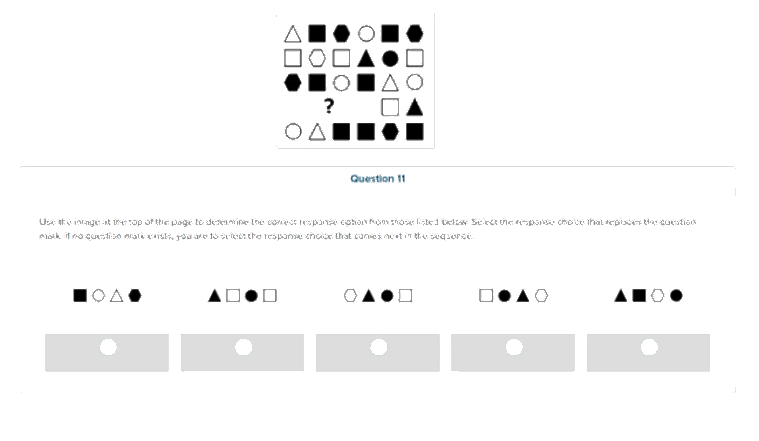
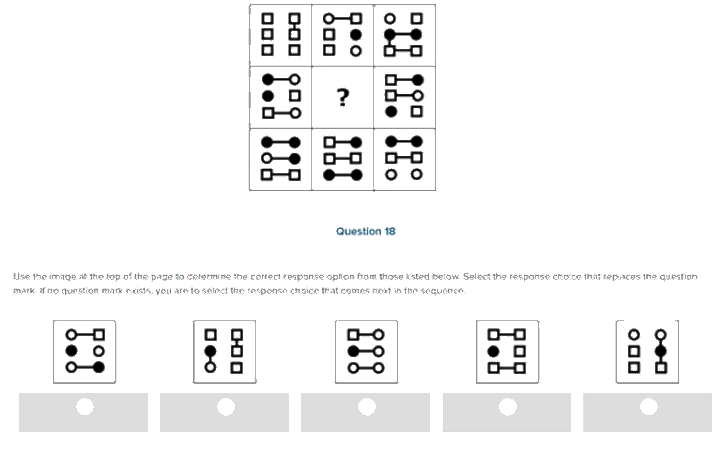
For each example, identify the pattern and choose the option that continues it.
Inductive Sample 1
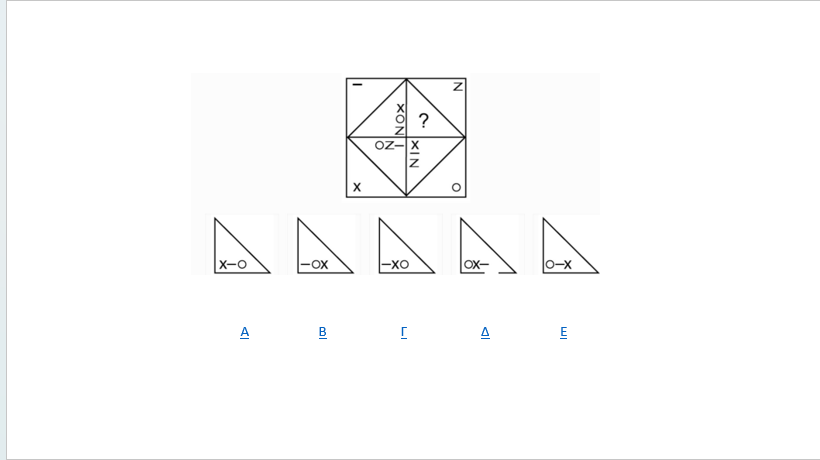
Inductive Sample 2
Inductive Sample 3
Inductive Sample 4
Inductive Sample 5
Interactive OPQ Mini-Test
This mini-test shows the interactive training style used in the full OPQ preparation. In the full package, candidates work through 3 courses of 77 triads each, supported by analytical theory, answers and explanations.
Practice scoring follows the ranking methodology taught in the course. It is not an official SHL answer key. The full package also includes printable PDF / Word versions for candidates who prefer to study on paper.
Which statement should rank first?
After your second choice, the next triad loads automatically.
Your OPQ mini-test results
Review why the tempting option won, lost or was excluded in each comparison.
The score shows how closely your choices match the course methodology; it is not an official SHL result or answer key.
Verbal Reasoning
Advanced passage work with close distractors and evidence control.
Sample · True / False / Cannot Say
Very difficult · evidence control and comparison trap
Passenger complaints fell more sharply on the pilot corridors than elsewhere in the city.
Thinking method: when a comparison is missing, do not invent it.
Sample · Explicit vs implicit
Advanced verbal reasoning · evidence control
Which statement is explicitly supported by the passage?
Thinking method: separate reported facts from reader inference.
Deductive Reasoning
Rule-based reasoning, scheduling logic and must-follow conclusions.
Sample · Multiple conditional rules
Advanced · necessary-condition trap
Which statement must be true?
Method: find the person who satisfies every condition of the strongest rule, then apply that rule forward only.
Sample · “Only if” logic
Advanced · necessary condition and overgeneralisation
Which statement must be true?
Method: translate “X only if Y” into “if X, then Y” before testing the options.
What you unlock with full access
| Included | Free preview | Full package · €99 |
|---|---|---|
| Practice material | Numerical + Inductive previews, 4 interactive reasoning samples and a 5-item OPQ mini-test | Over 1,500 practice exercises |
| Worked answers | Not included | Detailed solutions and methods |
| Coverage | Numerical, Verbal, Inductive, Deductive and OPQ examples | Complete preparation across the package areas above |
| Interactive practice | Selected interactive samples | Full interactive / simulation-style material where included in the package |
Continue with the full exercise library, detailed explanations and timed training.
A simple preparation routine
Accuracy first. Timing second.
A useful session ends with a clear next step. Use this routine to turn a missed answer into something specific to practise.
Attempt
Work through the question without rushing. Notice the exact step where you become unsure.
Review
Compare your method with the worked solution. Identify whether the issue was the data, the rule or the calculation.
Repeat, then add a timer
Try another question of the same type. Once the method is reliable, introduce timing and review slow correct answers as well as mistakes.
Before you start
A few useful things to know.
My assessment is soon. Where should I begin?
Start with the areas named in your invitation. Use short sets to find recurring mistakes, then spend the rest of your time on those question types rather than trying to complete everything.
Can I use this if I am new to reasoning tests?
Yes. Begin without a timer, follow the worked solution carefully, and only add time pressure once you can explain the method yourself.
Do I need to finish all 1,500+ exercises?
No. Use the library selectively: prioritise the areas in your invitation and the mistakes that repeat. Unlimited access to the purchased material lets you revisit it at your own pace.
Can I print the material and study away from the screen?
Yes. Although the preparation includes interactive material, candidates also receive PDF / Word versions that they can print locally at a print shop or bookstore and study from paper whenever they prefer.
How do I receive access?
After successful payment, candidates automatically receive the preparation package and purchase receipt at the checkout email. Check your spam folder if needed. For help, email info@reasoningcampus.com.
Complete preparation
Make your next practice session count.
Choose a question type, work through the explanation and theory, and then try the method again. Keep practising the skills that matter for your assessment, at a pace that fits your schedule.
- Understand your mistakes. Follow the worked steps, theory notes and explanations to see where your approach changed.
- Practise with a purpose. Return to the question types that need more attention and build confidence across all major subtopics.
- Build speed after accuracy. Use timed practice once the method is secure, then review slow correct answers as carefully as mistakes.
Not sure whether the package fits your invitation? Email us the assessment name.